


The psychology of gambling: Why we play in casinos
Understanding the House Edge
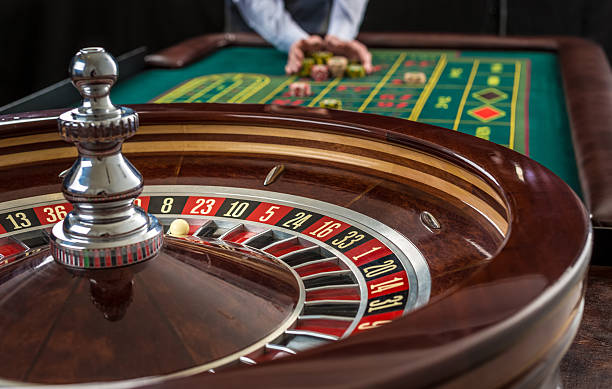
The house edge is a fundamental concept in gambling that refers to the mathematical advantage that casinos have over players. This edge ensures that, over time, the casino will always make a profit on the games they offer. Each game has a specific house edge percentage, calculated based on the rules and payouts. For example, in American roulette, the house edge is around 5.26%, meaning that for every $100 wagered, the casino expects to keep around $5.26 on average. Players interested in maximizing their understanding may find resources at 1win , as this built-in advantage is not arbitrary; it is meticulously designed to prevent players from consistently winning.
This advantage accounts for various factors, including the likelihood of different outcomes and the probability of winning any given bet. Understanding the house edge is crucial for any gambler who wishes to make informed decisions and manage their bankroll effectively. While some players may experience short-term wins, in the long run, the house edge will prevail, making it nearly impossible to overcome consistently. This concept serves as a reminder that gambling should be approached with caution and respect for the odds.
Moreover, the house edge can vary significantly from game to game. For instance, games like blackjack can have a lower house edge of around 1% if played with optimal strategy, while slot machines may have a house edge ranging from 2% to over 10%. This variance emphasizes the importance of choosing the right games and strategies when gambling, as it can impact players’ potential return on investment significantly. An informed choice can greatly enhance the gambling experience and possibly mitigate losses.
Strategies to Minimize the House Edge
While outright beating the house edge is highly unlikely, players can implement strategies to minimize its impact. Knowledgeable gamblers often employ techniques such as bankroll management and game selection to improve their overall odds. For example, by choosing games with a lower house edge, like blackjack or video poker, players can extend their playing time and potentially increase their chances of winning. Additionally, understanding the rules and developing strategies for these games can further tilt the odds in the player’s favor, allowing them to leverage their knowledge effectively.
Bankroll management is another crucial element of gambling strategy. Setting a budget and sticking to it can help players avoid chasing losses and making impulsive bets. Effective bankroll management involves determining how much money can be spent and how long one intends to play, which can significantly affect one’s overall gambling experience. By playing within their means, players can, to some extent, counterbalance the house edge and make more informed betting decisions. This discipline can lead to a more enjoyable experience and reduce the risk of significant losses.
Furthermore, players can look into promotions and bonuses offered by casinos. These can provide extra value and opportunities to play without increasing one’s risk significantly. However, it’s essential to read the terms and conditions associated with such bonuses, as they often come with wagering requirements that can complicate the situation. By wisely utilizing these resources, players can enjoy a more favorable gambling experience and potentially improve their odds against the house edge. Understanding these promotions can provide an additional layer of strategy in their overall gambling approach.
The Role of Skill in Gambling
Skill plays a pivotal role in certain types of gambling, particularly in games like poker and blackjack. Unlike purely luck-based games like slots, skilled players can influence the outcome through their decisions. For example, in blackjack, using basic strategy can significantly reduce the house edge, while in poker, understanding odds, bluffing, and reading opponents can lead to substantial profits over time. This highlights that not all gambling is purely based on chance, and skillful play can indeed provide an edge against other players or the house.
However, skill alone is not a guarantee of beating the house edge. For most casino games, even skilled players must acknowledge the inherent house advantage. While they may enjoy a better chance of winning in the short term, the long-term mathematical reality remains. Balancing skill and approach is essential; players should continuously enhance their knowledge and strategy while remaining aware of the limitations imposed by the house edge. This balance can create a more rewarding gambling experience, combining entertainment with the potential for success.
Additionally, it’s crucial for players to recognize the psychological aspects of gambling. Emotions like excitement and frustration can lead to poor decisions, even for the most seasoned gamblers. Maintaining discipline and sticking to strategic plans can help mitigate the impact of these emotional swings. Overall, while skill can enhance a player’s experience and opportunities, the reality of the house edge remains an unyielding presence in the world of gambling. Acknowledging this can help players develop a more grounded approach to their gambling pursuits.
The Myths of Beating the House Edge
Many myths surround the idea of beating the house edge in gambling, often perpetuated by gamblers looking for hope or quick fixes. One common myth is the belief that certain betting systems, such as the Martingale system, can guarantee a win. This system involves doubling bets after losses, with the idea being that eventually, a win will recoup previous losses. However, this approach can lead to substantial losses and quickly exhaust a player’s bankroll, especially during extended losing streaks. Understanding the limitations of such systems is essential to developing a realistic gambling mindset.

Another prevalent myth is the concept of “luck” or “hot streaks.” Players often believe certain machines or tables are “due” for a win after a series of losses. This perspective misunderstands the independent nature of each game outcome, particularly in games governed by random number generators. The outcomes are not influenced by previous results, and believing otherwise can lead to misguided betting strategies. Recognizing the randomness involved in gambling can help players make more rational decisions based on probability rather than superstition.
Moreover, some gamblers may subscribe to the idea that they can gain an edge through superstitions or rituals. While these practices may provide psychological comfort, they do not change the underlying probabilities of games. It’s essential for gamblers to differentiate between reality and myth to approach gambling with a clear mind and realistic expectations. This awareness can help them make more rational decisions and enjoy their experience without the false hope of consistently overcoming the house edge. By fostering a better understanding of gambling, players can enhance their overall enjoyment and satisfaction.
Where to Learn More About Gambling
For anyone looking to deepen their understanding of gambling and the intricacies of the house edge, various resources are available. Many casinos offer educational resources, workshops, or seminars to help players learn the basics of different games. These can be a valuable way to acquire practical knowledge while interacting with other enthusiasts and experienced players. Engaging with these resources can significantly enhance a player’s skill set and understanding of game strategies.
Additionally, there are numerous online platforms where players can access tutorials, strategy guides, and forums to discuss strategies and experiences. Engaging with a community of gamblers can provide insights into effective techniques, common pitfalls, and personal anecdotes that can help refine one’s approach to gambling. This collective knowledge can significantly enhance a player’s understanding of how to navigate the complexities of various games and the house edge. Connecting with others can also foster a sense of camaraderie that enriches the gambling experience.
Ultimately, while it is crucial to understand that beating the house edge is incredibly challenging, being well-informed can lead to a more enjoyable experience. Learning about game mechanics, strategies, and effective bankroll management can empower players to make educated choices and approach gambling as a form of entertainment rather than solely a means to make money. Whether playing in-person or online, staying informed can significantly enrich the gambling experience and provide valuable insights into the game’s nature. Embracing knowledge can transform gambling from a mere pastime into a rewarding hobby.