


Cash Out Keno for Beginners: A Fair Go Guide Down Under
You know the drill at the local club on a Friday night when the pokies are singing and the smoke machine’s doing its thing. Keno’s usually tucked in the corner, a quiet little game where you pick your lucky numbers and hope the machine coughs up a decent line. Most punters just let the game run its course, but there’s a newer trick on the board that’s got blokes and sheilas asking questions. The early exit option lets you pull your stake back before the dots even finish rolling, and if you’re new to the scene, it’s worth having a squiz at how it actually works.
Think of it like grabbing a meat pie from the counter before the crowd piles in. You don’t have to wait for the full serve if the numbers aren’t lining up the way you hoped. The beauty of the feature is that it takes the guesswork out of watching a screen tick over for ten minutes, especially when you’re just learning the ropes. You pick your spots, drop a coin in, and if the early draws aren’t singing, you can tap out and keep a bit of your bankroll intact. It’s not a magic money tree, but it’s a handy lever when you’re trying to stretch a session without going hard.
For anyone dipping their toes into the game, the whole setup can feel a bit like reading a weather map at first. There’s the pick count, the bet size, the payout grid, and then that little cash out button that pops up once the game’s underway. You’ll see it on screens across Melbourne laneway pubs, Brisbane sports clubs, and even those sleek online lobbies that’ve popped up since the regulators tightened the screws on digital play. The trick is knowing when to press it, when to let it ride, and how the math actually sits behind the flashy graphics. We’ll walk through the nuts and bolts so you can play with your eyes open and keep your head above water.
What the Early Exit Feature Actually Does
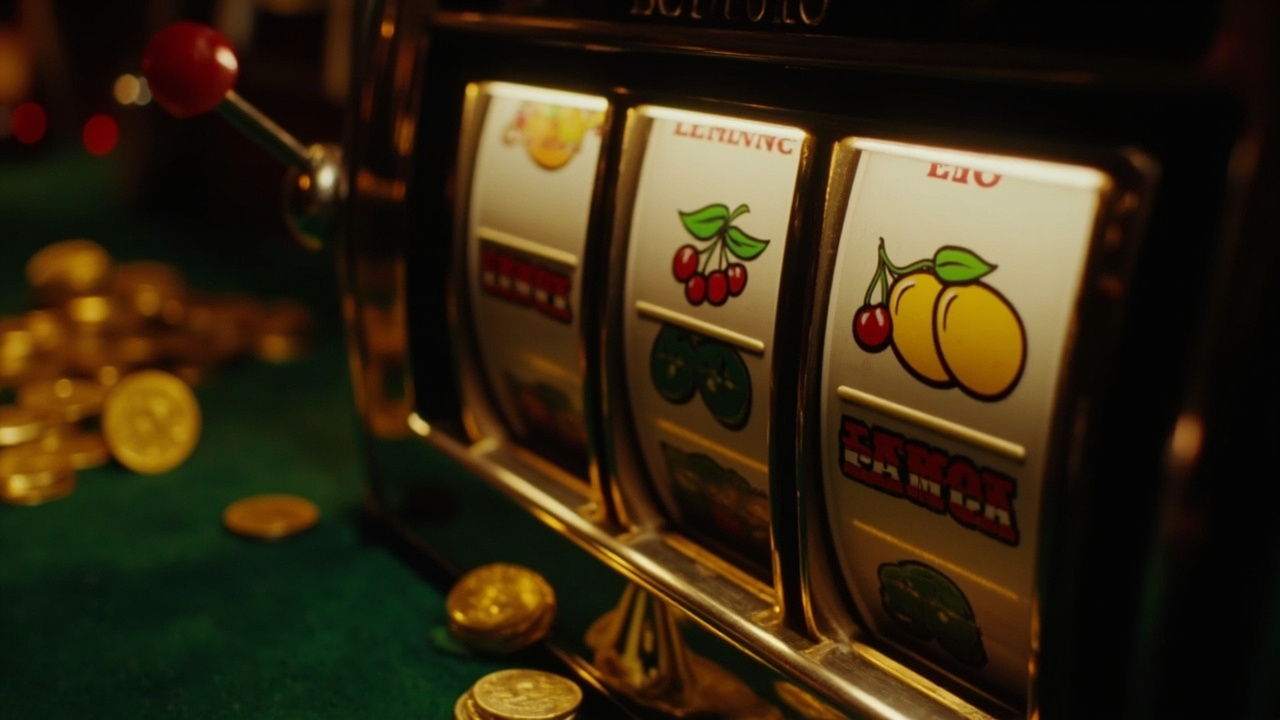
The whole point of the feature is simple enough once you strip away the glitz. You place your keno ticket, the machine starts pulling numbers, and instead of waiting for the final draw, you get a window to lock in a partial return. It’s a bit like folding a hand in a card game when the river isn’t falling your way. The house doesn’t give it away for free, so the return you see is usually a percentage of your original stake, sometimes with a small slice of the potential prize baked in depending on how the numbers are tracking. You won’t walk away with a jackpot, but you can dodge a full wipe when the board goes cold.
The timing matters more than most newcomers realise. That cash out window doesn’t stay open forever, and it usually appears after the first few draws have landed. If you’re the type who likes to watch the screen like a hawk, you’ll notice the return figure shifting as the remaining numbers get pulled. It’s a live snapshot of risk versus reward, and the game’s maths is built to keep the house edge intact no matter when you tap out. The smart play is treating it like a safety valve rather than a get-out-of-jail-free card.
You’ll see the option pop up on both club machines and digital platforms, though the exact layout varies. Some screens show a running estimate, others just give you a flat early-exit rate once the threshold is hit. The rule of thumb is to check the paytable before you drop your first coin, because the percentage you get back can differ from one operator to the next. If you’re browsing through a new site and want to see how the welcome offers stack up, you can have a look at the uptown no deposit bonus codes to get a feel for how different lobbies structure their starter deals. It’s a quick way to compare the fine print before you commit your own dough.
How the Numbers Game Works Behind the Screen
Keno is a numbers game at its heart, and the early exit feature doesn’t change the fact that the draws are randomised. Each ball or digital pick is independent, which means the machine isn’t keeping score of your last session or trying to balance things out. That’s a common myth that gets passed around the BBQ circuit, but the reality is the odds sit where they sit from the moment you hit play. The cash out option just gives you a chance to cut your losses when the early draws aren’t matching your picks.
The pick count you choose changes the shape of the game more than people expect. Go for fewer numbers and you’re chasing higher hits per line, but the payout grid shifts accordingly. Pick a bigger spread and you’re covering more ground, which can make the early exit look more attractive because you’re less reliant on a single lucky line. The trick is matching your pick count to how you want to play the session. If you’re just learning, a modest pick count keeps the screen easier to read and gives you a clearer view of when the early exit makes sense.
You’ll also notice that the return percentage on the early exit isn’t a fixed prize. It’s usually tied to how many of your picks have already landed, or it’s set as a flat fraction of the stake once the game passes a certain stage. That means two players can tap out at the same moment and see slightly different figures depending on how their tickets were built. It’s a small detail, but it’s the kind of thing that separates a casual spin from a session where you actually understand what you’re watching.
Reading the Screen Without the Headache
The first time you see the cash out prompt, it can feel a bit like trying to read a train timetable in a hurry. There’s the remaining number count, the potential prize column, and that early exit figure that sits somewhere between your stake and the full payout. The key is to ignore the flashing lights for a second and focus on what the screen is actually telling you. If the early exit is offering back a decent slice of your stake and your picks haven’t landed, it’s usually a sensible tap-out.
You don’t need to be a maths whiz to get a handle on it, but you do need to know your own threshold. Some punters set a mental rule that they’ll take the early exit if the return is above a certain fraction of the bet, while others just watch the board and make a call when the numbers go quiet. Either way, the goal is to avoid the sunk cost trap where you keep riding a losing line because you’ve already put money in. The screen is there to help you make a call, not to convince you to stay put.
A good habit is to run a couple of low-stake games just to see how the prompt behaves on the platform you’re using. You’ll quickly notice whether the early exit appears after a set number of draws or whether it shifts based on your pick count. That kind of familiarity pays off when you’re playing for real and the clock is ticking. If you want a second opinion on how different operators present their games, the gang over at GamblingNerd have broken down a heap of platforms in plain English, which is handy when you’re trying to sort the user-friendly screens from the cluttered ones.
When to Tap Out and When to Let It Ride
Knowing when to use the feature comes down to your session plan and how much risk you’re comfortable carrying. If you’re playing with a set bankroll for the night, the early exit is a useful brake when the board isn’t cooperating. You take the partial return, reset, and live to spin another ticket without blowing the whole budget on a single run. It’s the same mindset you’d bring to a day at the races when the track goes heavy and your horse isn’t settling.
On the flip side, tapping out too early every time can eat into your fun and make the game feel like a spreadsheet exercise. Keno is meant to be a bit of a thrill, and part of that is watching a line build before your eyes. If your picks are landing and the potential prize is climbing, letting it ride is often the better call. The cash out option is there for the cold stretches, not for every single game. Treat it like a spare tyre rather than your primary wheel.
A practical way to think about it is to set a simple rule before you start. Maybe you’ll take the early exit if you’ve lost two tickets in a row and the prompt is offering back a reasonable chunk, or maybe you’ll only use it when your pick count is high and the board is quiet. The exact rule doesn’t matter as much as having one. It stops the session from drifting into impulse play, which is where most beginners lose their footing.
How the Early Exit Fits Into Your Bankroll
Bankroll management is the unglamorous bit that keeps you in the game longer, and the cash out feature plays nicely into that if you use it with a plan. The idea is to treat your stake as a fixed slice of the night’s budget, not as a roll of the dice where every loss gets chased. When the early exit is on the table, you can lock in a smaller loss and keep the rest of your bankroll intact for the next round. That’s the difference between a measured session and a blowout that ends with you staring at the till.
The percentages you get back on the early exit are usually designed to soften the blow rather than turn a profit. That means you’re not meant to build a strategy around tapping out every time and banking small wins. Instead, you’re using it to cap downside when the numbers go against you. If you’re playing with a modest stake and the prompt is offering back a fair portion, it’s a reasonable exit. If the figure is too small to bother with, letting it ride or moving on to the next ticket might be the smarter play.
Instead, you should focus on finding opportunities where the odds are genuinely in your favour. For players looking to extend their playtime without additional investment, checking out uptown no deposit bonus codes can provide a useful buffer. This approach allows you to manage your bankroll more effectively while waiting for the right moment to strike.
For more information on available offers, you can visit uptown no deposit bonus codes.
It also helps to track how the feature behaves across a session rather than judging it on a single game. You might notice that the early exit is more generous on certain pick counts or that it appears more consistently on one platform than another. That kind of pattern recognition is just good sense, and it’s the same approach you’d take when comparing odds across different bookmakers before a big local match. The more you know about how the game presents itself, the easier it is to keep your spending in check.
Picking a Platform That Plays Fair
Not every keno setup handles the early exit the same way, and the platform you choose makes a real difference to how smooth the whole thing feels. You want a screen that shows the prompt clearly, a paytable that’s easy to read, and a site or club machine that isn’t hiding the terms in the fine print. The good operators make the feature obvious and keep the maths transparent, which is exactly what you’d expect from a reputable lobby that’s built a name in the local market.
Joe Fortune has carved out a solid spot among the leaders of the Australian market, and their keno setup is a decent reference point when you’re comparing how different platforms handle the early exit. The layout is clean, the paytable is straightforward, and the feature appears without making you dig through menus. That kind of clarity matters when you’re new to the game, because you want to focus on the numbers, not on figuring out where the button went.
You’ll also want to check that the platform is properly licensed and that the game’s terms are easy to find. Australian regulators have tightened things up over the years, so a legitimate operator will make the rules clear and keep the gaming environment tidy. If you’re comparing a few options before you start, it’s worth looking at how each one presents the early exit, what the return percentages look like, and whether the screen gives you enough time to make a call. A fair platform takes the guesswork out of the session and lets you focus on the game itself.
A Quick Word on the Rules and the Reality
Keno’s regulated differently depending on whether you’re playing at a club, a pub, or online, but the core rules around the early exit stay pretty consistent. The feature is there as an option, not a guarantee, and the return you see is set by the game’s maths rather than by the operator on the day. That’s an important distinction because it means the prompt isn’t a negotiation, it’s a snapshot of what the game is offering at that moment. Knowing that keeps you from reading too much into a single figure.
The local market has shifted a bit in recent years, with more players moving between physical machines and digital lobbies as the rules around online play have settled. That means the same game can feel a bit different depending on where you’re sitting, and the early exit might appear on one screen but not another. The sensible move is to treat each platform on its own terms and learn how the prompt behaves before you put serious stake in. It’s the same approach you’d take when you’re testing a new track after a rain shower.
If you’re ever unsure about how the feature works on a particular site, the safest play is to read the paytable and the game rules before you start. A clear paytable tells you what the early exit is based on, acesfs.ong.br how many draws need to pass before it appears, and what the return looks like relative to your stake. That’s the kind of detail that keeps the game enjoyable without turning it into a mystery. Play with your eyes open, keep your bankroll in check, and treat the early exit as a useful tool rather than a shortcut.
Keeping It Simple and Playing Smart
The best way to approach the early exit is to keep your expectations grounded and your session plan clear. You’re not trying to crack a code or outsmart a machine, you’re just using a feature that gives you a bit of control when the numbers go quiet. Pick a modest stake, learn how the prompt behaves on the platform you’re using, and don’t be afraid to tap out when the board isn’t singing. That’s the kind of approach that keeps a night at the screens enjoyable without turning it into a money pit.Gamblingnerd
Ethan Phillips, Gaming Technology Consultant, Nullarbor Gaming Analytics, puts it simply: “The early exit is really just a risk management tool dressed up in flashy graphics, and beginners do best when they treat it like a seatbelt rather than a shortcut.” Aaron Bennett, Chief Financial Officer, Nullarbor Gaming Analytics, adds that “the return percentages are built to soften a cold run, not to turn a quick profit, so the players who stick to a staking plan are the ones who actually enjoy the session.” Ella Fraser, Payments Strategy Director, Sunburnt Country Interactive, notes that “when the cash out prompt is clear and the paytable is easy to read, beginners spend less time guessing and more time playing within their limits.”
If you’re ready to have a crack at a game that gives you a bit more control over the session, the smart move is to pick a reputable platform, read the paytable, and start with a small stake so you can see how the early exit behaves in practice. Once you’ve got a feel for the timing and the return figures, you’ll know exactly when to tap out and when to let the numbers roll. It’s a simple setup when you strip it back, and that’s exactly why it’s worth learning before you drop your first coin.