


What Does Buying Ammo in Bulk Really Mean for Your Wallet?
Buy Bulk Ammunition Now and Lock In the Lowest Per Round Price
Bulk ammunition is simply a collection of factory-new or remanufactured cartridges packaged in large quantities—typically 500 to 1,000 rounds or more—rather than in standard retail boxes of 20 to 50. The rounds themselves function identically to individually boxed ammunition, with each cartridge containing a primer, propellant charge, and projectile seated in a brass or steel case that fires reliably when chambered. Purchasing in bulk lowers the per-round cost by eliminating excessive packaging and retail markup, while also simplifying logistics for high-volume shooters who need consistent stock for practice, competition, or zeroing multiple firearms. For storage, keep bulk ammunition in sealed, airtight containers with desiccant packs in a cool, dry environment to preserve its performance and reliability over long periods.
What Does Buying Ammo in Bulk Really Mean for Your Wallet?
Buying bulk ammunition shifts your wallet’s immediate outflow from 7.62×51 Ammo for Sale small, frequent hits to one large, upfront expense. The core benefit is a lower cost per round, which directly reduces your bulk ammunition price per box compared to retail packs. However, your cash flow takes a significant, immediate dent, tying up funds that could otherwise sit in savings. To truly benefit, you must consider shipping fees and local sales tax, which can erase the per-round savings if not factored in. Storing bulk ammo also demands a safe, climate-controlled space, an indirect cost often overlooked. Financially, you win only if you shoot consistently; otherwise, your capital sits idle in heavy, non-liquid inventory. The real equation is simple: upfront capital versus long-term per-shot savings.
How Per-Round Pricing Changes When You Move from Boxes to Cases
When you graduate from individual boxes to full cases, the sticker price per round drops noticeably—often 10 to 20 percent—because you’re paying for packaging efficiency and bulk logistics, not extra cardboard. A box of 20 might run you $1.25 per round, but a 500-round case frequently lands closer to $1.05, simply because the manufacturer passes along savings on handling and freight. The real kicker is that case-buying unlocks tiered discounts that boxes never see, especially if you grab a 1,000-round flat. That shift from box to case also smooths out price spikes between shipments, so your cost per trigger pull stays stable across a case rather than jumping with each retail restock.
Per-round pricing drops measurably when you move from boxes to cases, driven by lower packaging and shipping costs, plus volume-tier discounts that reward commitment.
Why Shipping Costs and Hazmat Fees Eat into Your Savings (and How to Avoid Them)

Bulk ammo deals often hide a trap: shipping and .17 HMR Ammo for Sale hazmat fees that quietly claw back your savings. Since ammo is heavy and classified as hazardous material, carriers charge premium rates, sometimes adding $20–$40 per order regardless of size. The fix? Consolidate your purchase into one large order to spread that flat fee across more rounds, rather than buying small boxes repeatedly. Also, hunt for retailers offering free shipping thresholds or flat-rate hazmat caps—they exist if you dig. Finally, skip expedited delivery; ground shipping keeps costs low and your wallet intact. Always calculate the per-round total *with* fees before clicking checkout.
Shipping and hazmat fees can erase bulk savings unless you consolidate orders, choose flat-rate or free-shipping retailers, and opt for ground delivery to keep per-round costs truly low.
How to Match Bulk Ammunition to Your Specific Firearm’s Caliber Needs
Before buying bulk ammunition, confirm the exact caliber stamped on your firearm’s barrel, as slight variations like .223 Remington versus 5.56 NATO affect pressure tolerances. For bulk purchases, match bullet weight to your barrel’s twist rate—typically 1:7 for 62–77 grain, 1:9 for 55 grain—since lightweight bullets destabilize in fast twists and heavy ones fail to stabilize in slow twists. Always verify case length and overall cartridge dimensions against your chamber, especially with surplus bulk lots, which may have mixed headstamps.
Test a single box from any bulk case before buying thousands, as lot-to-lot velocity deviations can shift point of impact significantly.
For pistols, confirm the exact cartridge (e.g., 9mm Luger, not .380 ACP) and avoid 7.62x54R Ammo for Sale bulk rounds with hard primers if your firearm has a lightened striker. Finally, chronograph a few rounds from each bulk batch to ensure the load cycles your action reliably, especially for gas-operated rifles sensitive to pressure curves.
Understanding Bullet Grain Weight and Why It Matters for Accuracy

Grain weight is the bullet’s actual mass, and it changes how your firearm behaves. Heavier grains (like 147gr in 9mm) often feel softer recoiling but can shift your point of impact downward at close range. Lighter grains (115gr) zip out faster, flattening long-distance arcs but sometimes causing more muzzle flip. For 5.7x28mm Ammo for Sale bulk ammunition, this matters because you’re committing to hundreds or thousands of rounds. Test a few box sizes first—your barrel’s twist rate and rifling will “like” a specific weight, showing tighter groups. A mismatched grain won’t destroy your gun, but it’ll turn accuracy into a frustrating gamble. Choosing the correct grain weight for your barrel twist is the single biggest accuracy upgrade from bulk ammo.
- Check your barrel’s twist rate (e.g., 1:7 vs 1:9) — it stabilizes certain weights better.
- Heavier grains resist wind drift but drop faster; lighter grains shoot flatter but get pushed around.
- Always shoot a 50-round sample of each weight from a rest before buying a full case.
- Your gun’s manual may list the preferred grain—start there, but verify with real groups.
Cased vs. Blister-Packed Rounds: What’s Inside the Bulk Boxes
When you open bulk ammunition boxes, the packaging format dictates how you handle and store your rounds. Blister-packed rounds arrive in rigid, pre-formed plastic trays that lock each cartridge in place, offering superior protection against moisture and physical damage during transit—ideal for precision shooters who demand flawless case integrity. Conversely, cased rounds are loose in cardboard or plastic boxes, maximizing round count per bulk package but allowing brass-on-brass contact that can mar casings or shift primers. For high-volume plinking, cased packs are quicker to grab and load, while blister packs are better for defensive or match loads where each cartridge’s condition matters. Always check if your firearm’s magazine feeds smoother from one format, as the minimal lubricant transfer differs.

What’s the Ideal Quantity to Order for a First-Time Bulk Buyer?
For a first-time bulk buyer, dipping a toe into ammunition purchasing means resisting the seductive pull of the 5,000-round pallet. The ideal starting quantity is 1,000 rounds of your primary caliber, spread across two or three distinct lot numbers. This amount breaks the per-round cost barrier without forcing you to commit to a single batch that might exhibit subtle feeding or accuracy quirks in your specific firearm. You get enough to run meaningful drills and confirm reliability, yet you’re not buried in ammo if your gun proves picky.
Buy 1,000 rounds in two 500-round cases from different production weeks; this gives you a working inventory while letting you verify consistency before you ever think about stocking a decade’s worth.
Once those first thousand cycle flawlessly and you’ve tracked your actual monthly range consumption, scale up proportionally—never more than a six-month supply until your firearm’s appetite is proven.
Starting with 500 Rounds vs. Jumping to 2,000 Rounds – Pros and Cons
Starting with 500 rounds keeps your initial capital low, letting you test firearm reliability and your own shooting preferences before committing deeper. The per-round cost advantage of 2,000 rounds only becomes meaningful if you actually shoot through the inventory, as bulk savings stagnate if you store more than you realistically consume. Five hundred rounds force more frequent reordering, which can negate savings through repeated shipping fees, whereas 2,000 rounds smooths your supply over a full training season. However, a novice who misfires or dislikes a specific load will waste more money on a 2,000-round lot, so confirm your chosen ammunition functions perfectly in your gun during the first 500 rounds. If you are an active weekly shooter, jump to 2,000; for occasional range trips, 500 avoids locking up funds in ammo that might sit idle for months.
How to Gauge Your Monthly Shooting Volume Before Stocking Up
To gauge your monthly shooting volume before stocking up, track your 7mm PRC Ammo for Sale range visits and round counts for at least two consecutive months, noting drills, competitions, or practice sessions that spike demand. Calculate a baseline consumption average by dividing total rounds fired by weeks elapsed, then multiply by 4.3 for a monthly figure. For a clear sequence:
- Log every box used, including malfunctions or sight-in rounds.
- Separate high-volume months (e.g., classes) from normal ones.
- Add a 15–20% buffer for unplanned drills or loaning ammo to a range buddy.
This practical consumption audit directly feeds your order size—if you fire 300 rounds monthly, a 1,000-round case covers three months plus margin, avoiding overstocking or dry spells.
How to Store Large Quantities of Ammunition Safely at Home
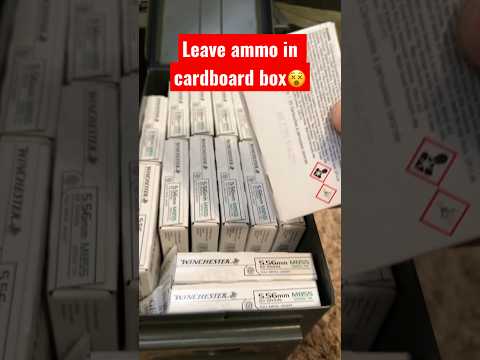
For bulk ammunition storage, prioritize a dedicated, fire-resistant metal cabinet or safe placed in a cool, dry area away from water heaters or furnaces. Use sealed, heavy-duty plastic ammo cans with desiccant packs to prevent moisture corrosion; avoid loose bulk in cardboard, which absorbs humidity. Rotate your stock by date, shooting older lots first, and label each container with caliber and purchase year. Never stack cans more than three high to prevent crushing primers, and keep the storage area 7.62×39 Ammo for Sale off concrete floors using pallets to ward off condensation. For long-term bulk, vacuum-seal loads in mylar bags with oxygen absorbers inside the cans, ensuring safe bulk ammunition storage that remains reliable for decades while storing large quantities of ammunition without compromising primer stability.
Choosing Between Ammo Cans, Sealed Buckets, and Original Packaging
Sie sehen gerade einen Platzhalterinhalt von Standard. Um auf den eigentlichen Inhalt zuzugreifen, klicken Sie auf den Button unten. Bitte beachten Sie, dass dabei Daten an Drittanbieter weitergegeben werden.
For bulk ammunition, sealed buckets offer the best moisture barrier for long-term, multi-thousand-round storage, as their gasketed lids create an airtight seal that original packaging lacks. Ammo cans excel when you need stackable, portable access without breaking the seal, especially metal 50-caliber versions that resist rodent damage. Original packaging is only viable for short-term rotation (under six months) in stable climates, since cardboard and flimsy trays accelerate corrosion. Choose accordingly: use sealed buckets for decade-scale archives, ammo cans for ready reserves you’ll grab monthly, and original packaging solely for immediate range use. For mixed calibers, label each container and add desiccant packs regardless of choice.
Controlling Humidity and Temperature to Prevent Corrosion or Misfires
For bulk ammunition, stable environmental conditions are non-negotiable. Maintain a relative humidity between 30% and 50%; above this, moisture condenses on brass cases and primers, accelerating oxidation and weakening the seal that prevents misfires. A digital hygrometer inside the storage container is essential, not optional. Use desiccant packs or an electric dehumidifier in the room, but avoid silica gel that contacts primers directly. Temperature should stay between 55°F and 75°F; rapid fluctuations cause condensation inside sealed ammo cans, so let cans acclimatize before opening. Store on wooden pallets off concrete floors, which wick cold and damp upward. Never use a heated space above 85°F, as propellant degrades and creates pressure spikes.
Keep humidity at 30–50% and temperature at 55–75°F with a hygrometer, desiccants, and off-floor storage to prevent corrosion and ensure reliable ignition.
What’s the Real Difference Between Training Rounds and Premium Defensive Rounds in Bulk?
The real difference in bulk ammunition is mission-specific design, not just price. Training rounds, like bulk FMJ or steel-case loads, prioritize consistent function and cost-per-round, with softer primers and lighter projectiles that reduce barrel wear during high-volume drills. Premium defensive rounds, even in bulk, use bonded or jacketed hollow points engineered to expand reliably through barriers like denim or drywall, with nickel-plated cases and sealed primers to resist moisture and setback. Buying defensive ammo in bulk means accepting a higher cost per round for terminal performance you must trust without question. Training bulk is about volume, but defensive bulk is about verifiable, repeatable expansion. That said, a bulk box of premium rounds still cannot substitute for the manual cycle reliability you only prove with your chosen training load. Practically, you store defensive bulk in smaller, rotation-dated batches to monitor pressure signs, while training bulk can tolerate longer-term storage and mixed lot numbers.

Full Metal Jacket (FMJ) vs. Hollow Point – When to Buy Which in Volume
When buying bulk ammunition, Full Metal Jacket (FMJ) vs. Hollow Point – When to Buy Which in Volume hinges on range cost versus defensive reliability. For high-volume practice, FMJ is the clear choice because its copper jacket prevents lead fouling, feeds reliably in semi-autos, and typically costs 20–30% less per round, allowing more trigger time for the same budget. Reserve hollow point bulk purchases for defensive loads you verify cycle and group accurately in your carry firearm, but buy only enough to confirm function and train occasionally—not thousands of rounds, since premium HP expansion can fail in barriers or underpenetrate in winter clothing. If your primary use is competition or drills, FMJ dominates volume; if you need proven stopping power, HP wins in smaller quantities.
| Aspect | FMJ | Hollow Point |
|---|---|---|
| Bulk volume best for | Practice, drills, competition | Carry verification, trust-building |
| Cost per round | Lower | Higher |
| Terminal effect | Overpenetration risk | Expansion, limited depth |
| Feeding in dirty specialty sports & supply guns | Very reliable | May need cleaning more often |
How Reloaded or Surplus Ammo Compares to Newly Manufactured Bulk Lots
Reloaded or surplus ammo in bulk offers significant cost savings but demands scrutiny compared to newly manufactured bulk lots. Surplus rounds, often decades old, may exhibit inconsistent primer sensitivity or corrosion, while reloads depend entirely on the loader’s quality control. Newly manufactured bulk ammunition guarantees uniform headspace, fresh propellant, and sealed primers, ensuring reliable function in semi-automatics. Reloaded or surplus ammo typically lacks this consistency, leading to occasional pressure spikes or squibs—especially in mixed headstamp batches. For high-volume training, surplus works if you verify headstamp uniformity and inspect for case damage, but reloads are riskier unless you trust the source. Newly manufactured bulk lots remain the safest baseline for defensive practice, balancing cost with predictable ballistics and ignition.
| Aspect | Reloaded/Surplus | Newly Manufactured Bulk Lots |
|---|---|---|
| Cost per round | Typically 30-50% lower | Higher, but stable pricing |
| Reliability | Variable; misfires possible | Consistent ignition and cycling |
| Case integrity | Unknown reuse or age stress | Factory-fresh, .17 WSM Ammo for Sale uniform dimensions |
| Best use | Plinking or low-stakes drills | Reliable training and function checks |
What Are the Hidden Pitfalls of Buying Bulk Ammo Online?
Buying bulk ammunition online often hides the pitfall of inconsistent lot numbers, meaning your shipment may mix cartridges from different production runs, causing point-of-impact shifts that ruin zero accuracy. Another trap is shipping weight versus product weight; vendors may charge oversized freight or delay Ammo Cans & Storage for Sale delivery due to hazmat surcharges, which inflate your effective cost per round. Moreover, bulk packs frequently suffer from poor packaging—loose rounds in thin cardboard boxes lead to dented casings or deformed bullets by arrival, creating feeding jams in semi-automatics. Finally, hidden pitfalls of buying bulk ammo online include stale inventory that has been stored improperly, exhibiting corrosion or weakened powder, which manifests as hangfires or squibs. Always verify manufacturing dates and request lot splits before purchasing; otherwise, your bulk ammunition purchase becomes a costly reliability gamble.
How to Verify a Lot’s Manufacturing Date and Quality Control Batch Codes
To verify a lot’s manufacturing date and quality control batch codes, start by checking the box’s end 5.56 Ammo for Sale flap or the case label—manufacturers like Federal and CCI stamp a two-letter year code (e.g., “BR” for 2024) and a batch number there. Call the maker’s customer service with that code; they’ll confirm the exact production date and any recalls. Look for a **lot number on the primer or case head**—this should match the box’s code, revealing if ammo was repackaged or mismatched. For batch code verification, compare the stamp’s font and depth across several rounds; irregular marks often signal mixed lots or counterfeit stock, so you can avoid old or suspect inventory before shooting.
What to Do When a Case Arrives with Damaged Packaging or Split Casings
When a bulk ammo case lands with crushed corners or split casings, don’t toss it aside—inspect every box immediately. First, photograph the damaged outer packaging and the affected rounds before opening anything, as this evidence is crucial for a replacement claim. Separate any ammunition with bent rims, cracked necks, or exposed powder into a dedicated “quarantine” tray—these are unsafe to fire. Then, contact the seller within 48 hours, providing your lot number and photos; most reputable dealers will ship a prepaid return label for the compromised rounds. For the remaining intact boxes, transfer them into a dry, compartmentalized ammo can, since the original split cardboard may let moisture seep in. Finally, always cycle-test a few visually pristine rounds from the damaged case to ensure no hidden bullet setback occurred during transit—if any fail to chamber, request a full case replacement rather than accepting a partial credit.