


Cultural insights behind gambling practices across the globe
Cultural insights behind gambling practices across the globe
Historical Context of Gambling
The origins of gambling can be traced back thousands of years, with evidence of games of chance existing in ancient China, Greece, and Rome. These early forms of gambling often served social purposes, allowing communities to come together during festivals or celebrations. In many cultures, gambling was intertwined with religious beliefs, often seen as a method to predict the future or invoke the favor of the gods. The historical significance of gambling illustrates its role not just as entertainment but also as a cultural artifact reflecting the values and practices of a society. In today’s digital age, platforms like Netflix Casino highlight how technology is influencing modern gambling experiences.

As societies evolved, so did their gambling practices. The introduction of card games in Europe during the Renaissance marked a significant shift, leading to the establishment of formalized betting systems and casinos. This period also saw the emergence of gambling as a pastime of the elite, further embedding it into the social fabric of various cultures. Today, the historical context of gambling is reflected in the diverse practices observed around the world, from the state-run lotteries in the United States to the vibrant markets of street gambling in Asia.
Understanding the historical context of gambling is crucial for grasping its cultural significance. For instance, while some societies view gambling as a mere pastime, others consider it a serious vice that can lead to social issues such as addiction and financial ruin. This dichotomy underscores the varying perceptions of gambling across cultures, influenced by historical narratives, legal frameworks, and socio-economic conditions.
Gambling and Cultural Beliefs
Cultural beliefs play a significant role in shaping gambling practices worldwide. In many Asian cultures, for example, gambling is often associated with luck and fortune. Traditional practices like Mahjong and Pai Gow are not only games of chance but also rituals that facilitate social bonding and family unity. Such cultural associations highlight how gambling can transcend mere entertainment, reflecting deeper societal values and connections.
Conversely, in certain Western cultures, gambling is frequently viewed through a more skeptical lens. Many societies have regulations governing gambling, reflecting a belief that it can lead to detrimental social outcomes. This ambivalence toward gambling can be seen in the contrasting views on lotteries, which are often endorsed as a means of funding public services, versus other forms of gambling that might be stigmatized. These cultural beliefs influence how different societies regulate and engage with gambling activities.
Furthermore, gambling-related events like the Super Bowl in the United States showcase how cultural perceptions can evolve over time. Once regarded as socially unacceptable, betting on sports has gained mainstream acceptance, reflecting a shift in attitudes toward gambling. This evolution demonstrates that gambling practices are not static but rather dynamic, adapting to the prevailing cultural narratives and societal norms.
Technological Influence on Gambling
The rise of technology has significantly transformed the gambling landscape across the globe. Online gambling platforms and mobile applications have revolutionized how players access their favorite games, creating a shift from traditional brick-and-mortar casinos to virtual spaces. This evolution has not only made gambling more accessible but also more appealing to younger audiences who favor digital interactions over physical ones.
With advancements in technology, the incorporation of live dealer games has brought an immersive experience that mimics the atmosphere of a physical casino. High-definition streaming, interactive features, and real-time gameplay enhance the appeal of online gambling, attracting players from diverse backgrounds. As technology continues to evolve, the lines between traditional gambling practices and digital experiences will blur further, shaping the future of this industry.
Moreover, technology has also brought challenges, particularly concerning addiction and regulatory measures. The ability to gamble from anywhere at any time raises questions about responsible gambling and player protection. Many countries are grappling with how to implement regulations that ensure fair play and safeguard individuals against potential harm, illustrating the complex relationship between technology and cultural practices in gambling.
Gambling in Social Contexts
The social context in which gambling occurs can significantly influence its perception and practice. In some cultures, gambling serves as a means of socializing, fostering relationships and community bonds. Events like poker nights or local gaming tournaments bring people together, reflecting how gambling can be woven into the social fabric of communities. This communal aspect of gambling highlights its role as a facilitator of social interaction and cultural exchange.
However, not all social contexts view gambling positively. In various societies, concerns about addiction and social decay often overshadow the communal benefits. This duality reflects broader societal tensions regarding risk and reward, with gambling serving as both a unifying force and a potential source of conflict. Public discussions often revolve around the need for responsible gambling initiatives to mitigate harm while preserving the social aspects of gambling.
Furthermore, the impact of gambling on local economies can also define its social context. In places where tourism is bolstered by casino resorts, gambling can be a significant economic driver. In these instances, the cultural acceptance of gambling can be linked to economic prosperity, leading to a nuanced understanding of its implications. This complex relationship between gambling, society, and economy underscores the need to consider cultural perspectives in discussions about regulation and practice.
Exploring Online Gaming Platforms
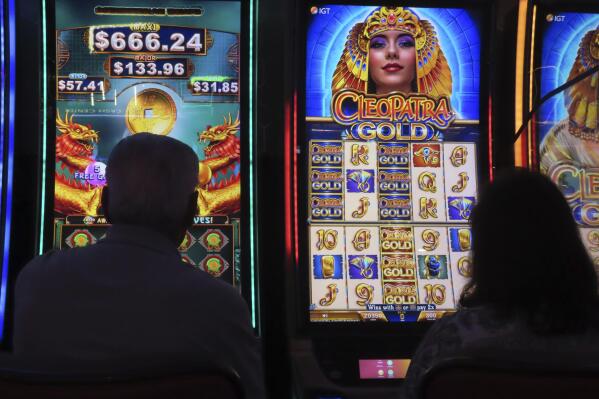
As the digital age advances, online gaming platforms have become a significant aspect of the gambling landscape. Websites like Netflix Casino exemplify how technology is shaping the future of gambling by offering a wide array of games, from slots to live dealer options. These platforms not only cater to players‘ preferences but also provide a secure and user-friendly experience, enhancing the overall appeal of online gambling.
One of the noteworthy aspects of online casinos is their ability to offer various promotions and bonuses that traditional casinos may not provide. These incentives attract players, encouraging them to explore different games while ensuring they receive value for their investment. Additionally, the ease of access allows players to engage in gaming activities from the comfort of their homes, which aligns with contemporary lifestyle preferences.
The operational transparency and security of online gaming sites play a crucial role in gaining players‘ trust. Reputable platforms utilize advanced encryption technology, ensuring that players’ personal and financial information is safeguarded. This emphasis on security resonates with cultural expectations around responsible gambling, particularly in an era where online privacy and data protection are paramount. As online gaming continues to grow, platforms like Netflix Casino will likely lead the way in establishing a balanced relationship between technology, culture, and gambling practices.
Schreiben Sie einen Kommentar